


Sicily and its Cuisine: A World Heritage Site
Sicilian Cuisine: History and Tradition
Sicily and its cuisine are known the world over for their richness of flavours, the diversity of ingredients such as fruit and the historical influences that have shaped their culinary identity. The island's geographical position at the crossroads of the Mediterranean has allowed Sicily to become a melting pot of different cultures, each of which has left an indelible imprint on local gastronomic traditions.
From the Greeks to the Romans, from the Normans to the Arabs, each domination introduced new ingredients and cooking techniques, which the Sicilians were able to transform into something unique. Some dishes, more than others, have made and continue to make people talk about our beautiful island, becoming recognised symbols of Sicilian cuisine all over the world.
Candied Fruit: An Ingredient with Ancient Charm
One of the most representative ingredients of Sicilian pastries is undoubtedly fruit. This element, present in many typical Sicilian desserts, such as cassata and cannoli, is often seen as a mere ornament. However, candied fruit has a fascinating story that deserves to be told.
The Origins of Candied Fruit
The origins, as you might expect, are quite ancient. The history of candied fruit begins in the East, particularly in China and Mesopotamia, where the practice of candying was initially used to preserve plants and roots. Candying, in fact, is a process that involves replacing the water contained in the fruit with sugar, thus prolonging its preservation and intensifying its flavour.
But the real precursors of candied fruit, as we know it today, were the Arabs. At their banquets, they served citrus fruits and candied roses, considered delicacies reserved for the very rich. The term 'candying' derives from the Arabic 'qandat', meaning 'to sweeten', demonstrating the influence this culture had on this preservation technique.
Candied Fruit: Symbol of Elegance and Tradition
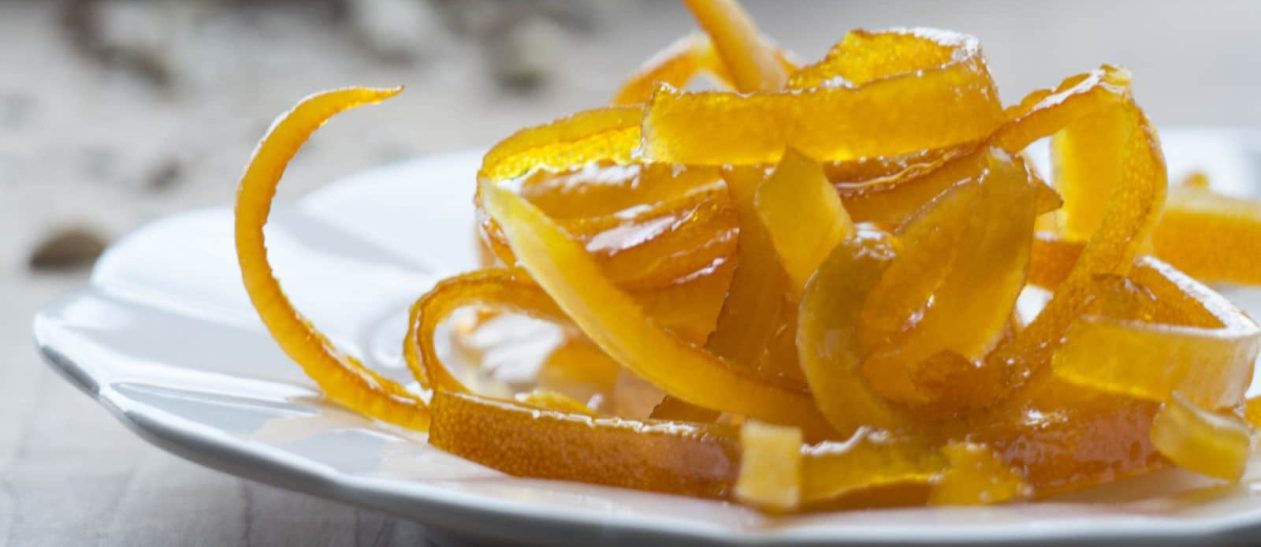
Among the aristocrats of yesteryear, candied fruit played the role of pure scenography, as it was possible to create wonderful compositions. The tables of the nobility were adorned with candied fruit of all kinds, arranged in artistic and spectacular shapes. Proof of this is the candied orange peel, used since ancient times by Sicilian confectioners to embellish typical sweets, making them even more appetising.
The Candying Process: Art and Patience
The candying process is by no means simple or quick, but it was necessary because it allowed the fruit to remain intact for long periods. The fruit is immersed in a sugar syrup, where it remains for days, sometimes weeks, until the water in the fruit is completely replaced by the sugar. This process requires patience and great attention to detail, as each fruit must be treated with care to prevent it from breaking or losing its original shape.
This method of preservation was particularly useful for sailors on long voyages, as candied fruit was the only way to maintain a balanced diet even in the absence of fresh food. Candied fruit retains its nutrients intact and can be stored for months without losing its flavour.
Candied Fruit in Sicilian Pastries
Today, although it has a 'secondary role', it is still one of the ingredients that most characterise Sicily and its sweets. Cannoli, almond pastries and the famous Sicilian cassata are just some of the sweets that are always enriched with candied orange, cherry and mandarin peels and slices. These fruits add a touch of colour and sweetness, turning each dessert into a work of art.
The Sicilian Cassata: A Masterpiece of Confectionery
The Sicilian cassata is perhaps the Sicilian dessert that best represents the use of fruit. Consisting of layers of ricotta cheese, sponge cake, marzipan and a coating of icing, cassata is decorated with pieces of candied fruit of various colours and shapes, giving it a festive and sumptuous appearance. Each slice of cassata is an explosion of flavours, where the sweetness of the candied fruit is perfectly balanced with the ricotta and sponge cake, creating a perfect harmony.
Cannoli: Symbol of Tradition and Innovation
Cannoli, another symbol of Sicilian pastry making, are also often enriched with fruit. Orange peels or candied cherries are used to decorate the ends of the cannoli, adding a touch of sweetness and colour. In recent years, many pastry chefs have experimented with new ingredients and combinations, but candied fruit remains an irreplaceable element.
Candied Fruit: Not Only in Sweets
Today, it is used not only in confectionery, but also in other culinary preparations. It can be used to enrich savoury dishes, such as salads or main courses, where its sweet flavour creates an interesting contrast with savoury or spicy ingredients. In addition, candied fruit can be used as a decoration for cocktails or to enrich cheeses and cold cuts, creating original and surprising combinations.
Panettone and Colomba: Holiday Sweets
How could we not mention the classic panettone? This typical Christmas cake, with its soft and fragrant dough, is embellished with sultanas and candied orange. The candied fruit gives panettone a unique flavour, making it the undisputed star of Christmas tables throughout Italy and beyond. Even the Easter dove, the sweet symbol of Easter, is enriched with candied fruit, giving it that unmistakable flavour that everyone loves.
Aperitifs and Candied Fruit: A Surprising Pairing
Candied fruit can also be used to create original appetisers and snacks. For example, you can combine it with mature cheeses or cured meats to create a board full of contrasting flavours. Try serving candied orange peel next to a seasoned pecorino or spicy salami: the result will be an explosion of flavours that will surprise your guests.
Discover Pistì Products: A World of Sicilian Sweets
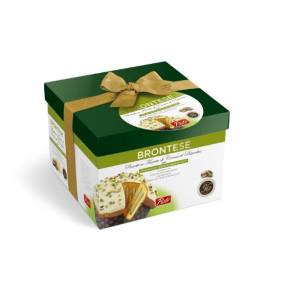
For a taste of Sicily, discover the Pistì candied orange peels and all our products. Pistì is a company that for years has been dedicated to the production of typical Sicilian sweets, using only the highest quality ingredients and respecting traditional craftsmanship. Our candied orange peels are made from selected oranges, candied using traditional methods to preserve all their flavour and fragrance.
The Artisanal Quality of Pistì
Pistì is not only synonymous with sweetness, but also with quality. Each product is made with care and attention, using only the best ingredients. Pistì candied fruit is a perfect example of how tradition and innovation can coexist to create unique and inimitable products. Discover our full range of sweetsfrom classic panettone and colomba to more innovative and original desserts.
External Links: Insights and Curiosities
For those who wish to learn more about the history of candied fruit and Sicilian confectionery, we recommend visiting some external resources that offer a broad overview of these topics:
- The World of Sicilian Sweets - A site dedicated to the discovery of typical Sicilian sweets, with recipes, stories and curiosities.
- The Art of Sicilian Confectionery - A Gambero Rosso article exploring the art of Sicilian pastry making and its traditions.
- The Origins of Candied Fruit - An in-depth look at the origins and history of candied fruit, available in the Treccani.
Candied Fruit in the World: A Journey through Traditions
Although it is closely associated with Sicily, its use is widespread in many culinary cultures around the world. In France, for example, candied fruit is an essential element in the preparation of the famous 'marzipan fruit', while in England it is used to enrich traditional Christmas puddings.
Candied Fruit in Asia
In Asia, candied fruit has a long tradition, especially in China and Japan, where it is often eaten as a snack or used to decorate sweets and cakes. The candying technique has been perfected in these regions, where not only fruits but also flowers and roots are candied, creating a variety of unique products.
Candied Fruit in the Middle East
In the Middle East, candied fruit is still an element of prestige, often offered to guests as a sign of hospitality. In countries such as Iran and Lebanon, candied citrus fruits and dates are considered delicacies and are used to decorate traditional sweets such as baklava and halva.
Conclusions: A Journey through Sweets and Traditions
Candied fruit is more than just an ingredient: it is a symbol of tradition, art and culture. From Sicily to the rest of the world, it has conquered the palates of millions, becoming an indispensable element in many confectionery preparations. If you want to discover the authentic flavours of Sicily, visit shop.pisti.com and be won over by our candied orange peel and all the other products of the Sicilian confectionery tradition.